

The Toxicology of DIY Skincare (White Paper)

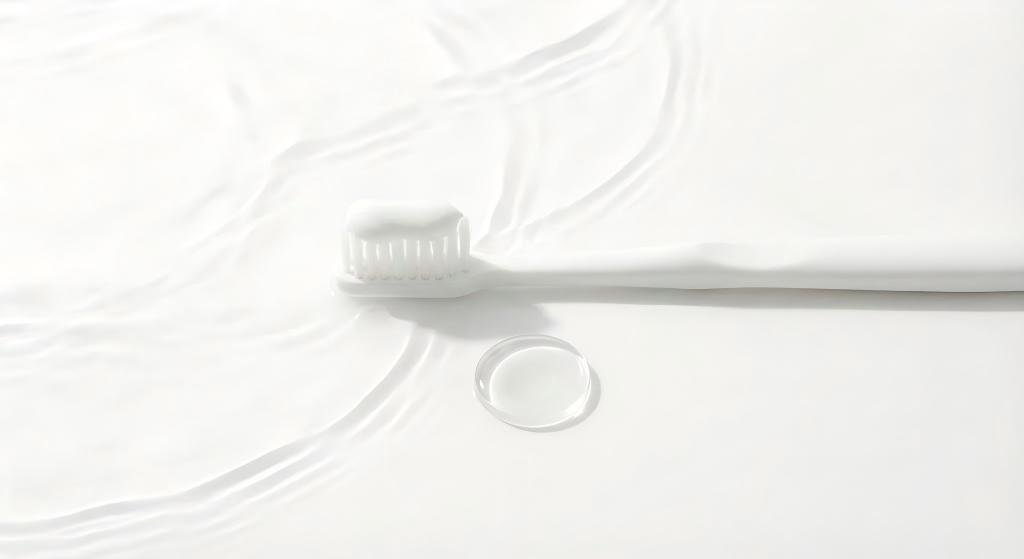
Kitchen Chemistry vs. Clinical Biology: A Toxicological Analysis of DIY Remedies
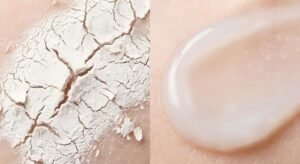
In the age of viral social media hacks, dermatologists are facing a new epidemic: ‘Kitchen Skincare Injury.’ The allure is understandable—cheap, accessible ingredients found in the pantry promise miraculous results. However, the skin is a complex organ with a delicate microbiome and pH balance, not a salad. Applying food-grade ingredients to a compromised barrier often leads to chemical burns, alkaline neutralization injuries, and permanent scarring. In this comprehensive toxicology white paper, we will deconstruct the most dangerous skincare misconceptions, analyzing the chemical composition of household items versus the biological requirements of the Acid Mantle. We aim to steer you away from diy acne remedies to avoid and towards evidence-based engineering.
Myth 1: “Toothpaste Dries Out Pimples”
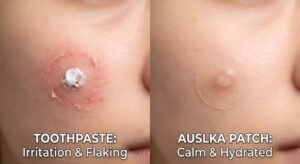
The Search Query: toothpaste on pimples remains a top search term. It stems from the fact that toothpaste contains drying agents like alcohol and baking soda. However, this is a classic case of ‘Using a Sledgehammer to Crack a Nut.’
The Toxicology of Toothpaste
Modern toothpaste is formulated for enamel—the hardest substance in the human body (Mohs Hardness 5). Facial skin is soft protein (Keratin). Toothpaste contains:
- Sodium Lauryl Sulfate (SLS): A harsh anionic surfactant. On the skin, it denatures proteins and strips essential lipids, causing cell lysis (death).
- Fluoride: While great for teeth, fluoride is a known skin irritant that can trigger Perioral Dermatitis (a rash around the mouth).
- Menthol/Peppermint: These create a cooling sensation by stimulating TRPM8 nerve receptors. On inflamed acne, this triggers ‘Neurogenic Inflammation,’ converting a simple whitehead into a chemical burn.
Clinical Outcome: While the pimple might ‘dry out,’ the surrounding skin develops Irritant Contact Dermatitis—a red, scaly, pigmented patch that lasts weeks longer than the original pimple.
Myth 2: “Baking Soda is a Great Exfoliant”
The internet claims baking soda on face scrubs remove blackheads. This is a fundamental violation of acid-base chemistry.
The Acid Mantle Equation
Healthy skin has a pH of 4.5-5.5 (Acidic). This acidity is critical for enzyme function and inhibiting pathogenic bacteria like C. acnes.
- Baking Soda (Sodium Bicarbonate): pH 9 (Highly Alkaline).
- The Damage: Applying pH 9 alkalinity to pH 5 skin destroys the Acid Mantle immediately. It takes healthy skin 14 hours to recover its pH buffering capacity. During this ‘Alkaline Window,’ bacteria reproduce unchecked, and the barrier becomes permeable to irritants.
Result: Chronic dehydration and increased infection rates. This leads to severe skin barrier damage.
Myth 3: “Lemon Juice Fades Scars”
The logic: Lemons contain Vitamin C (Ascorbic Acid), so they must be good for lemon juice for acne scars. The Reality: Uncontrolled Acidity.
Phytophotodermatitis
Lemon juice has a pH of 2.0, which is 100x more acidic than skin. Unlike formulated Vitamin C serums which are buffered, raw lemon juice causes immediate acid etching.
Worse, lemons contain ‘Psoralens’—compounds that make skin hypersensitive to UV light. If you put lemon juice on your face and go outside, you can develop Phytophotodermatitis: severe blistering burns and hyperpigmentation that can last for months. It creates dark spots, it doesn’t remove them.
Myth 4: “The Sun Cures Acne”
Many patients report their skin clears up in summer. This is the deadly sun exposure acne myth.
Squalene Peroxidation
UV radiation provides a temporary ‘cosmetic’ benefit by suppressing the immune system (reducing redness) and tanning the skin (hiding red marks). However, UV rays oxidize the Squalene in your sebum. Oxidized Squalene is highly comedogenic (pore-clogging) and pro-inflammatory.
The Rebound Effect: The skin responds to UV damage by thickening the Stratum Corneum (Hyperkeratinization). 2-4 weeks post-exposure, this thickened skin traps the oxidized oil, leading to a massive flare-up of ‘Solar Comedones.’
Myth 5: “Acne is Caused by a Dirty Face”
This is the most damaging psychological myth. Acne is not caused by dirt; it is caused by the physiological triad of: Hormones, Sticky Skin Cells, and Bacteria.
The Over-Washing Trap
Believing their face is ‘dirty,’ patients scrub aggressively. This strips the Natural Moisturizing Factors (NMF). The skin panics and produces *more* oil to compensate (Reactive Seborrhea).
The Auslka Philosophy: You cannot wash away hormones. Gentle cleansing is necessary; aggressive scrubbing is counterproductive.
Myth 6: “Scrubbing Harder Cleans Deeper”
Walnut shell and Apricot scrubs are infamous. The particles are jagged and irregular.
Micro-Tears
Under a microscope, these jagged particles cause ‘Micro-Tears’ in the epidermis. These tears breach the barrier, allowing bacteria to enter deeper layers. Instead of removing acne, you are essentially inoculating your skin with bacteria. Chemical exfoliants (like Salicylic Acid) or physical extraction via Hydrocolloid patches are the only safe methods.
Myth 7: “Popping it Makes it Go Away”
The urge to perform ‘Bathroom Surgery’ is strong, but manually squeezing a pimple is mechanically disastrous.
Subcutaneous Rupture
When you squeeze, you apply pressure downwards. Often, the follicle wall ruptures at the bottom (into the dermis) before it ruptures at the top. This explodes bacteria and pus into the deep tissue, turning a temporary whitehead into a permanent Cyst or Scar.
The Alternative: popping pimples safely is possible only if there is a clear whitehead, and you use a Hydrocolloid Patch. The patch provides the vacuum pressure to extract the fluid vertically without rupturing the follicle wall.
- The Engineering Solution: Science-Backed Care
Abandon the kitchen. Embrace science backed acne care.
| The Myth | The Damage | The Auslka Solution |
| Toothpaste | Chemical Burn / Dermatitis | Tea Tree Patch (Anti-inflammatory) |
| Baking Soda | Alkaline pH Destruction | Salicylic Acid Cleanser (pH Balanced) |
| Lemon Juice | Acid Burn / Photosensitivity | Vitamin C Serum / Microneedle Patch |
| Physical Scrubs | Micro-Tears / Infection | Hydrocolloid (Gentle Extraction) |
| Sun Exposure | Oxidized Sebum / Rebound Acne | Invisible Patch + SPF |
- Clinical FAQ: Common Misconceptions
Q1: Is rubbing alcohol good for drying pimples?
A: No. Alcohol denatures skin proteins and destroys the lipid barrier. It kills bacteria but destroys the ‘village’ along with it.
Q2: Can I use Aspirin as a mask?
A: Crushed aspirin is chemically Acetylsalicylic Acid, but the pills contain fillers (starch/corn) that clog pores. Use a formulated BHA product instead.
Q3: Does washing my face more prevent acne?
A: No. Acne is internal (hormonal). Washing more than twice a day strips the barrier, leading to inflammation.
Q4: Is coconut oil good for acne?
A: No. Coconut oil is highly comedogenic (Comedogenic Rating 4/5). It forms a heavy occlusive film that traps bacteria. Use Jojoba or Squalane oil instead.
Q5: Can I put a patch on a scab?
A: Yes. Hydrocolloid softens the scab (autolytic debridement) and prevents picking, reducing scarring.
Q6: Does diet affect acne?
A: Yes, but not ‘greasy food.’ High Glycemic Index foods (sugar) and Whey Protein spike insulin/IGF-1, driving oil production.
Q7: Do pores open and close?
A: No. Pores do not have muscles. Steam softens the debris inside, but it does not open the pore like a door.
Q8: Do patches work on bug bites?
A: Yes! They extract the insect venom/saliva (reducing itch) and prevent scratching.
Q9: Is ‘natural’ always better?
A: No. Poison Ivy is natural. Arsenic is natural. Skincare requires ‘Bio-compatibility,’ not just natural origin. Auslka patches are bio-compatible engineering.
Q10: Can I use Windex on a pimple (My Big Fat Greek Wedding style)?
A: Absolutely not. Glass cleaners contain ammonia, which is corrosive to human skin. This movie myth is dangerous.
Final Thoughts
Skincare is a science, not a cooking class. Every time you apply toothpaste or baking soda, you are conducting an uncontrolled chemical experiment on your face. Respect your skin’s biology. Use tools designed for the job. Swap the myths for the math-based efficacy of the Auslka Acne Patch Collection.