

Developing an Anti-Aging Skincare Series with a Premium OEM Partner

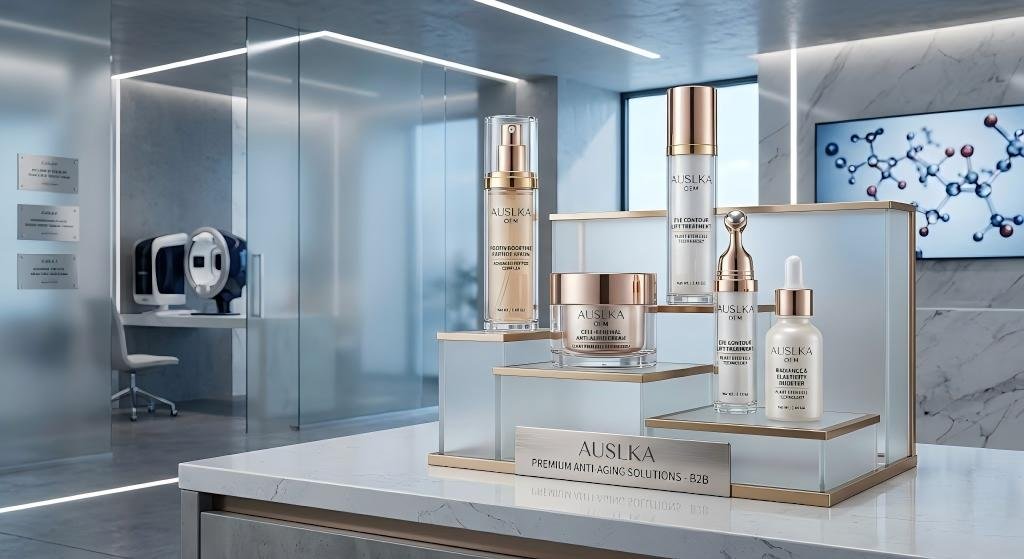
Introduction
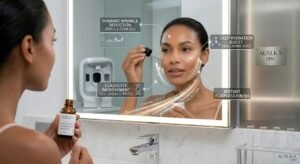
In the advanced biochemical theater of clinical dermatology, practitioners and product formulators constantly combat severe dermal aging pain points. The inevitable physiological cascade resulting in the catastrophic loss of structural elasticity, the formation of deep hyperpigmentation, and systemic collagen degradation paralyzes independent beauty brands relying on archaic, single-active formulations. To mathematically reverse these cellular deficits and construct a hyper-potent, clinically validated product line, partnering with a specialized anti-aging skincare OEM is the absolute engineering mandate for modern dermatological success.
Historically, mass-market anti-aging products relied heavily on superficial humectants and low-grade occlusives that merely masked trans-epidermal water loss (TEWL) without addressing the fundamental biological senescence occurring within the extracellular matrix (ECM). Modern consumers, however, demand aggressive cellular regeneration. Formulating these highly active compounds—such as volatile retinoids, unstable L-ascorbic acid, and delicate biomimetic peptides—requires profound mastery over emulsion thermodynamics and molecular encapsulation.
Attempting to compound these reactive ingredients without industrial-grade homogenization guarantees rapid chemical degradation and severe localized erythema (skin irritation). In this comprehensive B2B technical guide, we will aggressively deconstruct the molecular mechanisms of collagen synthesis, evaluate the stringent stability protocols required for active peptides, and detail exactly how an elite anti-wrinkle cream manufacturer guarantees your brand delivers uncompromising, medical-grade efficacy directly to the end consumer.
Core Cellular Regeneration & Peptide Advantages

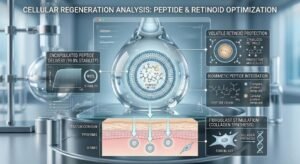
To objectively evaluate the clinical superiority of modern gerontological cosmetics, biochemical engineers must dissect the precise mechanisms of cellular regeneration. The human dermal extracellular matrix (ECM) relies entirely on the continuous proliferation of fibroblast cells to synthesize Type I and Type III collagen. As intrinsic chronological aging decelerates this synthesis, topically applied biomimetic peptides are required to artificially signal the fibroblasts. Specific oligopeptides and polypeptides function as precise molecular messengers, penetrating the stratum corneum to mathematically upregulate collagen production and paralyze localized muscle micro-contractions, effectively mimicking the mechanics of clinical neuromodulators without the associated systemic risks.
Furthermore, to aggressively combat severe photo-aging, the integration of retinoids is a strict dermatological mandate. However, raw retinol is catastrophically unstable; it rapidly oxidizes upon exposure to UV light and oxygen, and its unbuffered application causes severe epidermal desquamation (peeling). To eradicate these vulnerabilities, a premium retinol OEM factory utilizes advanced liposomal encapsulation technology. By encasing the volatile retinol molecule within a biocompatible phospholipid bilayer, the OEM mathematically protects the active ingredient from atmospheric degradation.
This sophisticated delivery system slowly dissolves only upon contact with the dermal enzymes, delivering a sustained, time-released micro-dose of retinoic acid. This completely eradicates the severe localized erythema historically associated with high-yield retinol treatments. To further enhance these regenerative profiles, advanced Chinese manufacturing hubs—particularly specialized extraction facilities in Guizhou, China—provide ultra-pure, subcritical fluid-extracted botanical antioxidants. These organically cultivated polyphenols operate synergistically with the encapsulated retinoids to aggressively neutralize reactive oxygen species (ROS), protecting the newly synthesized collagen from environmental degradation.
Critical Market Applications & Real-World Use Cases
The strategic deployment of these highly active biological formulations is aggressively dictated by the clinical requirements of the target demographic. In the hyper-specialized sector of luxury anti-aging clinics, dermatologists routinely execute severe, controlled trauma to the epidermis via fractional CO2 lasers and deep TCA chemical peels. Consequently, these practitioners absolutely require a sterile, highly potent recovery protocol to accelerate dermal repair and completely suppress post-inflammatory hyperpigmentation (PIH).
Therefore, clinical operators actively partner with an elite mature skin cosmetics ODM to engineer proprietary, medical-grade post-procedure serums. Furthermore, by dispensing these highly calibrated OEM formulations directly to the patient immediately following treatment, the clinic mathematically ensures that the patient maintains an optimal regenerative environment, significantly accelerating the healing timeline. Consequently, this proprietary distribution model legally isolates the patient from inferior, mass-market alternatives, thereby permanently locking in continuous, high-margin retail revenue for the aesthetic clinic.
Furthermore, mature skincare brands targeting the affluent Gen-X and Boomer demographics leverage this exact OEM infrastructure to rapidly dominate the direct-to-consumer (DTC) market. Therefore, when a specific, highly efficacious peptide serum private label blend is chemically validated in clinical trials, these agile brands utilize their ODM partner to instantly scale the mass production of these complex emulsions. Consequently, because the OEM factory handles the strict GMPC cleanroom manufacturing, 90-day stability testing, and primary airless-pump assembly, the brand owner can remain hyper-focused on aggressive customer acquisition. Therefore, this strategic outsourcing completely isolates the brand from the immense capital expenditures required to establish aseptic, biopharmaceutical-grade manufacturing facilities.
Comparison Table: Anti-Aging Modalities
To objectively evaluate the clinical and structural viability of varying anti-aging treatments, cosmetic engineers must critically analyze the biochemical deployment data. The following 4-column table mathematically contrasts Encapsulated Retinol & Peptide systems against archaic industry alternatives across critical dermatological metrics.
| Anti-Aging Modality | Cellular Turnover & Collagen Synthesis | Irritation Potential & Barrier Health | Chemical Stability & Long-Term Efficacy |
| Encapsulated Retinol & Peptides | Supreme. Actively upregulates Type I & III collagen; accelerates cell division. | Minimal. Liposomal delivery prevents surface erythema and barrier destruction. | Excellent. Encapsulation prevents atmospheric oxidation, ensuring a 36-month shelf life. |
| Basic Occlusive Moisturizers | Zero. Only masks dehydration; does not stimulate fibroblast proliferation. | None. Safe for all skin types, but completely inert biologically. | High. Extremely stable, but offers zero long-term structural reversal of aging. |
| Harsh Chemical Peels (High AHA/TCA) | Extremely High. Violently forces epidermal regeneration through controlled trauma. | Severe. High risk of chemical burns, prolonged erythema, and PIH if mismanaged. | N/A. Single-use clinical treatment; not a daily stabilizing compound. |
| Unstable Vitamin C (L-Ascorbic Acid) | Moderate. Stimulates collagen, but heavily limited by skin penetration difficulties. | High. Requires extremely low, acidic pH (under 3.5), which heavily irritates skin. | Terrible. Oxidizes rapidly upon light/air exposure, turning brown and biologically useless. |
Formulation Best Practices & Stability Specs
Executing a flawless commercial launch of a gerontological skincare line requires absolute adherence to biochemical thermodynamics and strict packaging engineering. The most critical operational parameter for an advanced custom anti-aging formula is the physical architecture of the primary packaging. Because advanced peptides and unbuffered retinoids are highly susceptible to photo-degradation and atmospheric oxidation, utilizing standard open-mouth acrylic jars or transparent glass dropper bottles guarantees catastrophic chemical collapse within weeks.
Therefore, structural engineers must strictly utilize opaque, dual-chamber airless pump systems. These highly specialized containers mathematically eliminate oxygen ingress. They utilize an internal vacuum piston to extrude the formula upward, thereby permanently isolating the volatile active ingredients from atmospheric contamination and pathogenic bacterial degradation. Furthermore, formulating complex multi-active serums demands rigorous pH stabilization. If a brand attempts to combine AHA chemical exfoliants (which require a highly acidic pH of 3.5 to remain biologically active) with biomimetic copper peptides (which rapidly denature and break down in acidic environments), the formulation will violently neutralize, rendering both active ingredients completely biologically inert.
A premier OEM facility strictly utilizes advanced sodium citrate and phosphate buffers to isolate incompatible molecules, or engineers sequential, multi-step application protocols to ensure absolute biochemical integrity. Finally, the clinical efficacy of the final emulsion must be mathematically proven. The factory’s internal analytical laboratory will conduct rigorous in-vivo corneometry to measure epidermal hydration and utilize high-resolution 3D topography scanning (such as the VISIA complexion analysis system) to mathematically quantify the exact reduction in wrinkle depth and melanin concentration over a strict 12-week clinical trial.
Frequently Asked Questions (FAQ)
- What is the optimal concentration of Retinol for an OTC anti-aging product?
For over-the-counter (OTC) cosmetic formulations, highly effective retinol concentrations typically range from 0.1% to 1.0%. A concentration of 0.3% encapsulated retinol is generally considered the optimal intersection of high efficacy and low irritation for daily use. Exceeding 1.0% pushes the formulation toward pharmaceutical-grade prescription retinoids (like Tretinoin).
- Can I blend Copper Peptides (GHK-Cu) with L-Ascorbic Acid in the same serum?
No, it is biochemically prohibited. Pure Vitamin C (L-Ascorbic Acid) requires a highly acidic pH (under 3.5) to remain stable, while Copper Peptides are highly sensitive to low pH and will rapidly denature. Furthermore, the copper ions will aggressively catalyze the oxidation of the Vitamin C, instantly destroying both ingredients. An OEM must formulate these into two strictly separate products.
- What are ‘Vegan Collagen’ alternatives used in modern cosmetic manufacturing?
True collagen is exclusively derived from animal sources (bovine or marine), as plants do not possess the biological infrastructure to synthesize collagen proteins. Modern ‘Vegan Collagen’ is a highly engineered, biomimetic complex of plant-derived amino acids (typically from soy, wheat, and baobab) that mathematically mimics the exact amino acid ratio of human Type I collagen, providing identical structural support without animal derivatives.
- How does the factory ensure the stability of the emulsion over a 3-year shelf life?
The OEM laboratory executes rigorous accelerated thermodynamic stability testing. The serum is placed in environmental chambers that violently cycle the temperature between deep freezing (-20°C) and extreme heat (45°C) over 90 days. If the lipid and aqueous phases do not separate, and the pH remains mathematically constant, the formula is legally certified for a 36-month shelf life.
- What are penetration enhancers, and why are they necessary for peptides?
Peptides are large, complex chains of amino acids that fundamentally struggle to penetrate the lipid-rich stratum corneum (the skin’s outermost layer). Formulation chemists utilize highly specialized penetration enhancers, such as ethoxydiglycol, liposomes, or low-molecular-weight hyaluronic acid, to temporarily fluidize the lipid barrier, dragging the large peptide molecules deeply into the dermis where they can interact with fibroblasts.
- Are plant stem cells actually effective in anti-aging skincare?
Plant stem cells (such as Malus Domestica from Swiss apples) do not act as actual stem cells within human tissue; they cannot differentiate into human skin cells. However, they are incredibly dense repositories of potent epigenetic factors, extreme-survival metabolites, and hyper-concentrated antioxidants. When extracted via advanced subcritical methods, these metabolites aggressively protect human dermal stem cells from UV-induced senescence and oxidative stress.
Conclusion
The engineering reality within clinical dermatology is irrefutable: attempting to launch a highly efficacious anti-aging line without the rigorous biochemical infrastructure of a professional manufacturing partner guarantees catastrophic chemical degradation and brand rejection. By migrating your brand’s production to a precision-engineered cellular regeneration series developed by an elite OEM facility, you permanently mathematicalize your product’s safety, stability, and clinical efficacy. You guarantee absolute pH stabilization, eradicate the threat of retinoid oxidation, and unlock rapid speed-to-market for your therapeutic catalog.
Do not compromise your patients’ dermal health with substandard, unstable formulations. Whether you are seeking to launch an advanced peptide serum or require a high-throughput manufacturing partner to integrate anti-aging technology into a Makeup Series, explore the immense capabilities of our GMPC-certified infrastructure. To understand our 30-year legacy of clinical formulation excellence, visit About Us. Secure your clinical dominance by upgrading your supply chain today. Contact the formulation engineers at Auslka to receive a customized thermodynamic formulation audit, and fundamentally revolutionize your beauty brand’s trajectory.