

The Physiology of Body Breakouts (Clinical Deep Dive)

Beyond the Face: A Clinical Protocol for Treating Acne Mechanica and Folliculitis
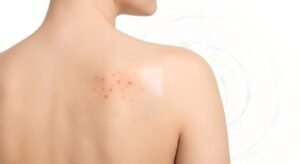
While facial acne is primarily hormonal, body acne is often environmental and physiological. The skin on the dorsal trunk (back) and décolletage (chest) operates under a completely different set of biological rules than facial tissue. It is significantly thicker (dermis depth), has a lower density of nerve endings, but a higher density of large, active sebaceous glands. Furthermore, it is constantly subjected to a physical force that facial skin rarely endures: Friction. This leads to a specific clinical entity known as ‘Acne Mechanica.’ Traditional spot treatments often fail here because they do not address the root causes: physical trauma, thermal occlusion, and microbiome imbalance. In this white paper, we will analyze how to get rid of back acne by moving beyond simplistic creams and utilizing large-format hydrocolloid arrays to neutralize shear stress and extract deep-seated impurities.
- The Physics of the Gym: Acne Mechanica

To understand bacne treatment, we must first understand the Tribology (science of friction) of the gym environment. Acne Mechanica is not just ‘clogged pores’; it is a physical injury response.
The Triad of Formation
- Hyperthermia (Heat): Exercise raises skin surface temperature. For every 1°C rise, sebum excretion rate increases by approximately 10%. This creates a ‘Sebum Flood.’
- Occlusion (Trapping): Synthetic compression gear (Spandex/Polyester) creates a non-breathable seal. This traps the hot sebum against the stratum corneum, creating a greenhouse effect for bacteria. This is the driver of sweat acne.
- Shear Stress (Friction): The repetitive rubbing of heavy backpacks, bra straps, or weightlifting benches grinds this bacteria-laden oil back into the hair follicle, causing rupture of the follicle wall.
Result: Deep, painful nodules that are resistant to surface washing. This explains why shoulder breakouts are endemic among backpackers and athletes.
- The Anatomical Challenge: Dermal Thickness & Drug Resistance
Why do face creams fail on the back? The answer lies in Histology.
The Stratum Corneum on the back is 2-3 times thicker than on the face. This ‘Armor Plating’ means that topical creams (Benzoyl Peroxide) often crystallize on the surface without penetrating deep enough to reach the infected sebaceous duct. They stain your clothes, but miss the target.
The Solution: Transdermal Patch Delivery
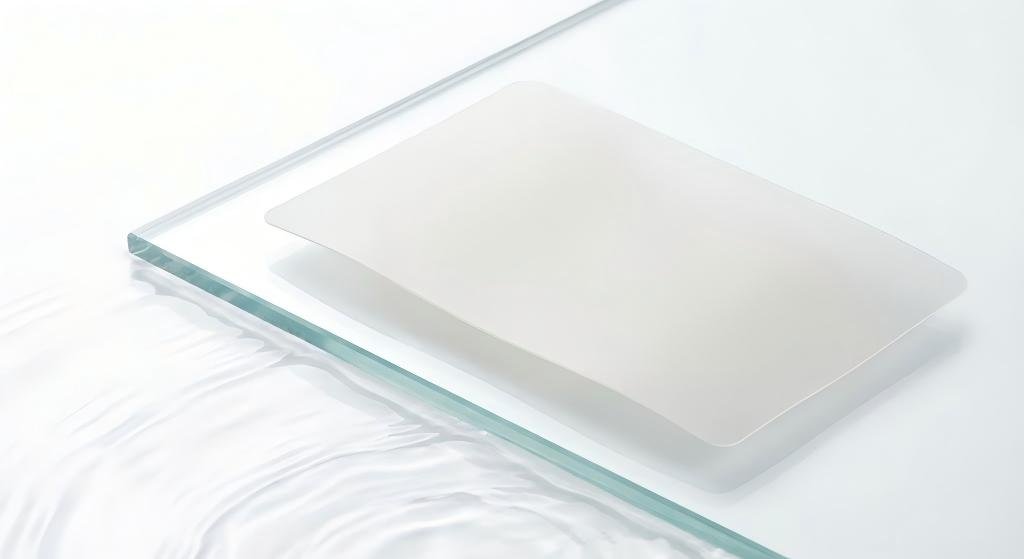
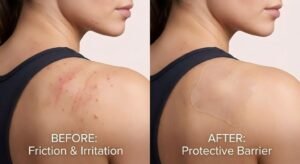
Auslka’s large body acne patch utilizes ‘Occlusive Pressure.’ By sealing the area, the patch hydrates the keratin layer, increasing its permeability coefficient. This allows the active ingredients to bypass the thick skin barrier. Furthermore, the patch acts as a ‘Sacrificial Shield,’ absorbing the friction from clothes so the skin underneath can heal undisturbed.
- Diagnostic Precision: Is it Acne or Fungus?
A major cause of treatment failure is misdiagnosis. What looks like ‘Bacne’ is often Pityrosporum Folliculitis (Malassezia), a fungal infection.
Differential Diagnosis Checklist
- Bacterial Acne: Varying sizes (whiteheads, cysts), painful, red.
- Fungal Acne: Uniform size (pinhead bumps), intensely ITCHY, often appears in clusters after sweating.
If it is itchy, anti-bacterials won’t work. However, Auslka patches still play a critical role. Fungal acne spreads via scratching (excoriation). By covering the itchy cluster with a large patch, you provide a friction acne from sports shield that prevents you from scratching and spreading the yeast to neighboring pores.
- The Systemic Trigger: Whey Protein & IGF-1
You cannot treat body acne without addressing the ‘Anabolic Trigger.’ Many body acne sufferers are gym-goers consuming Whey Protein.
The Mechanism: Whey protein is insulinogenic. It spikes Insulin-Like Growth Factor 1 (IGF-1). High levels of IGF-1 signal the sebaceous glands to undergo hypertrophy (grow larger) and overproduce oil. If you have stubborn body acne, consider switching to pea or hemp protein for 4 weeks while using Auslka patches to manage the existing breakout.
- The “Buttne” Taboo: Folliculitis vs. Pressure Ulcers
What consumers call ‘Butt Acne’ is rarely true acne. It is usually a form of pressure-induced Folliculitis. Finding a butt acne solution requires addressing the mechanical cause: Sitting.
Adhesion Science: The High Shear Modulus
The skin on the buttocks stretches by up to 50% when you sit or squat. Standard face patches are too rigid; they pop off instantly. Auslka XL Patches are engineered with a high ‘Shear Modulus’ elastomer. This means they can stretch with the skin without losing adhesion, providing a cushioning layer that allows the inflamed follicle to heal even while you are at your desk.
- The Clinical “Gym-to-Shower” Protocol
Treating body acne requires a disciplined gym skincare routine:
- Pre-Workout: Apply Salicylic Acid spray *before* dressing to prevent pore blockage.
- Intra-Workout: Use a clean towel. Never let bare skin touch vinyl gym benches (Staph vectors).
- Post-Workout: The ’15-Minute Rule’. You must shower within 15 mins. If impossible, change clothes and wipe down with Hypochlorous Acid spray.
- Treatment: Apply an Auslka XL Patch to any active acne mechanicalesions immediately after drying off. This protects the open pore from friction during the rest of the day.
- Clinical FAQ: Managing Body Breakouts
Q1: Why is my back acne so much more painful than face acne?
A: Back skin is tighter and thicker. When a cyst forms, the pressure builds up with less room to expand outward. A hydrocolloid patch relieves this pressure by extracting the fluid.
Q2: Can I reuse the patch after showering?
A: No. Water compromises the sterile seal and the hydrocolloid absorbs the shower water, becoming saturated. Always apply a fresh patch to clean, dry skin.
Q3: Do patches help with dark spots (PIH) on the back?
A: Yes. Body scars take 2x longer to heal than facial scars. The patch protects the spot from UV light (if shirtless) and keeps the wound moist, which speeds up enzymatic pigment breakdown.
Q4: Can I apply the patch by myself?
A: Yes. Our XL patches are designed with a ‘Peel-and-Place’ backing system that makes blind application easier. However, using a mirror helps ensure you center it over the lesion.
Q5: Why do I get pimples exactly where my bra strap sits?
A: Classic Acne Mechanica. The strap traps sweat and grinds bacteria into the pores. Using a patch *under* the strap acts as a preventative shield.
Q6: Is it safe to wear patches while sweating?
A: Yes, but apply them *before* you start sweating. Auslka patches are water-resistant. If applied to dry skin, they will survive a HIIT workout.
Q7: Will body wash with beads help?
A: Avoid physical scrubs (beads/loofahs) on active acne. They tear the pimple open, spreading bacteria. Use chemical exfoliants (Salicylic Acid wash) instead.
Q8: Does fabric softener cause back acne?