

The Rise of Single-Use Skincare: Manufacturing Ampoule Serums

Introduction

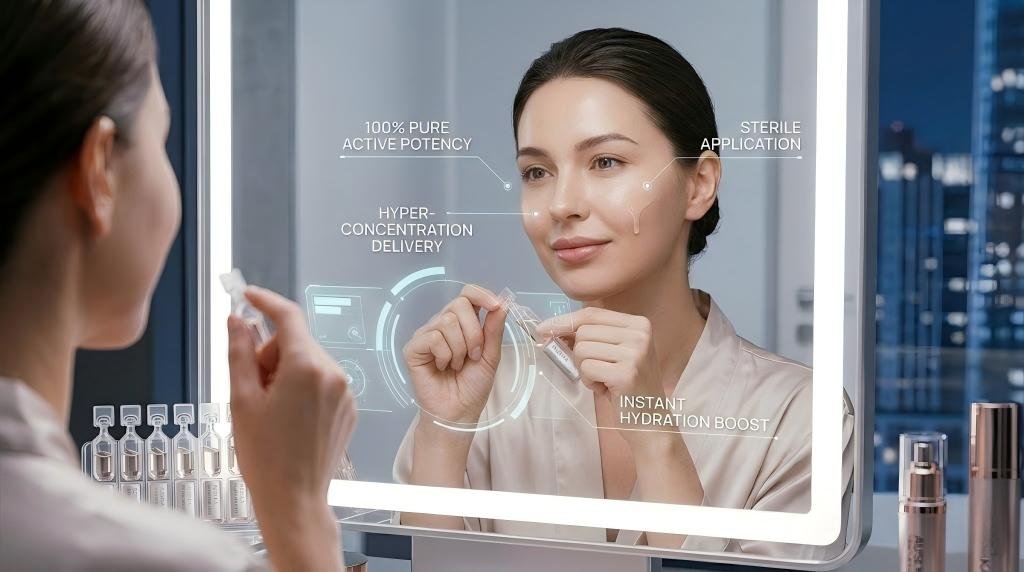
In the highly advanced biochemical landscape of modern cosmetic dermatology, the absolute stability of active ingredients is constantly threatened by archaic packaging architecture. Severe product degradation pain points—such as the rapid oxidation of L-ascorbic acid, the photo-degradation of volatile retinoids, and the catastrophic introduction of virulent bacterial contamination through repeated digital contact in open jars—systematically destroy formulation efficacy long before the product is depleted. To mathematically eradicate these immense biochemical vulnerabilities, partnering with a specialized single-use skincare OEM is now an absolute engineering mandate for any luxury or clinical beauty brand seeking to guarantee maximum active potency.
Traditional dropper bottles and wide-mouth jars subject highly sensitive serums to a massive influx of atmospheric oxygen and environmental pathogens every single time the container is unsealed. This continuous atmospheric exposure forces cosmetic chemists to severely overload their formulations with aggressive, broad-spectrum chemical preservatives to prevent deadly microbial blooms. However, these high concentrations of harsh preservatives frequently induce severe localized contact dermatitis and compromise the delicate epidermal lipid barrier of the end consumer, completely neutralizing the intended therapeutic benefits of the product.
To permanently bypass this chemical limitation, the industry has aggressively shifted toward single-dose, ‘second throw’ ampoule technology. By utilizing an advanced Ampoule serum manufacturer, brands can encapsulate hyper-concentrated, zero-preservative formulations within hermetically sealed, medical-grade polymer vessels. This comprehensive B2B technical guide will aggressively deconstruct the thermodynamic physics of Blow-Fill-Seal (BFS) aseptic technology, evaluate the fluid dynamics required for sterile packaging, and detail exactly how this advanced manufacturing protocol guarantees absolute product superiority and unparalleled clinical efficacy.
Core Preservation & Potency Advantages

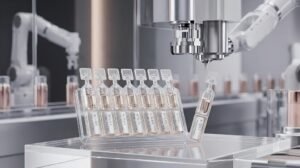
To objectively evaluate the mechanical superiority of single-use ampoules, formulation engineers must deeply analyze the thermodynamics of Blow-Fill-Seal (BFS) aseptic technology. BFS is an advanced, automated manufacturing process originally developed for the strict sterilization requirements of the intravenous pharmaceutical industry. The process operates within a continuous, unbroken, 15-second mechanical cycle that mathematically eliminates human intervention and atmospheric exposure.
Initially, pharmaceutical-grade thermoplastic polymer resin is heated to an extreme extrusion temperature (typically exceeding 160°C). This extreme thermal friction acts as a primary sterilization mechanism, completely incinerating any latent microbial spores residing within the raw plastic. The molten polymer is extruded into a hollow tube (the parison) and instantly clamped within a precision-machined mold. High-pressure sterile air forces the plastic to conform to the ampoule shape. Immediately, a sterile filling mandrel descends, injecting the hyper-concentrated highly concentrated serum private label liquid directly into the cavity. Within milliseconds, the mandrel retracts, and the mold physically fuses the top of the plastic, creating an absolute, impenetrable hermetic seal.
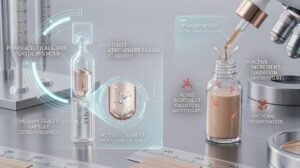
Because this entire process occurs within a heavily controlled, localized Class 100 (ISO 5) sterile air shower inside the machine, the liquid serum is completely isolated from environmental oxygen and airborne pathogens. Consequently, cosmetic chemists are liberated from the strict necessity of utilizing aggressive parabens or phenoxyethanol. They can engineer ‘zero-preservative’ or micro-preservative formulas that safely sustain a 36-month shelf life. This sterile isolation allows for the delivery of hyper-concentrated, highly volatile active ingredients—such as 20% pure Vitamin C, pure EGF (Epidermal Growth Factor), or unstable copper peptides—ensuring 100% molecular bioavailability the exact second the consumer snaps the ampoule open.
Critical Market Applications & Real-World Use Cases
The physical deployment of sterile ampoule technology is aggressively dictated by the strict hygienic demands of advanced dermatological protocols. High-end estheticians and clinical practitioners frequently perform highly invasive aesthetic procedures, such as aggressive microneedling (collagen induction therapy), intense pulsed light (IPL) resurfacing, and deep chemical peels. Furthermore, these procedures physically puncture or dissolve the protective stratum corneum, leaving the underlying dermal matrix entirely exposed and highly vulnerable to opportunistic bacterial infection. Therefore, practitioners strictly require a sterile cosmetics ODM to supply single-use ampoules, guaranteeing that the highly active recovery serums applied directly into open micro-wounds are absolutely devoid of pathogenic contamination.
Consequently, the premium retail sector has rapidly adopted this ‘second throw’ (次抛) packaging format to target highly discerning, high-net-worth consumers. Luxury beauty brands aggressively market these ampoules as specialized, intensive 7-day or 28-day cellular regeneration protocols. Furthermore, because each individual ampoule represents a perfectly calibrated, single-dose application, the consumer cannot mathematically under-apply or over-apply the highly potent actives. Therefore, this precision dosing ensures optimal clinical outcomes and drastically minimizes the risk of ingredient-induced chemical burns.
Furthermore, the inherent structural portability of the BFS polymer makes it vastly superior for the modern travel demographic. Dropper bottles are fragile, prone to catastrophic shattering in luggage, and actively leak under the low atmospheric pressure of commercial aircraft cabins. Consequently, consumers highly prefer tossing a strip of unbreakable, sealed plastic ampoules into their travel bags. Therefore, by partnering with an advanced second throw cosmetics factory located in major global manufacturing hubs, independent brands instantly elevate their product perception from standard cosmetic to clinical-grade cosmeceutical, commanding significantly higher retail margins.
Comparison Table: Skincare Packaging Architectures
To objectively evaluate the biochemical preservation capabilities and operational viability of varying packaging formats, cosmetic engineers must critically analyze the mechanical deployment data. The following 4-column table mathematically contrasts Single-Use Ampoules against legacy skincare delivery systems across critical performance metrics.
| Packaging Format | Oxidation Risk & Active Potency | Preservative Requirements | Travel Convenience & Dosing |
| Single-Use Ampoules (BFS) | Zero Risk. Hermetically sealed. 100% active potency retained until exact moment of use. | Zero to Minimal. Sterile filling process completely negates the need for aggressive parabens. | Supreme. Unbreakable, leak-proof plastic. Exact single-dose calibration prevents waste. |
| Glass Dropper Bottles | Extremely High. Entire volume is exposed to oxygen and airborne bacteria daily. | High. Requires heavy chemical preservatives to combat constant atmospheric contamination. | Poor. Heavy, fragile glass shatters easily; droppers leak under aircraft cabin pressure. |
| Airless Pump Serums | Low Risk. Internal vacuum prevents oxygen ingress, but nozzle can clog or harbor bacteria. | Moderate. Less exposure than droppers, but still requires standard preservation. | Good. Leak-resistant and metered dosing, but packaging is bulky and expensive to mold. |
| Open Mouth Jars | Catastrophic. Fingers introduce massive bacterial colonies. Severe oxidation of all surface actives. | Maximum. Requires extreme levels of broad-spectrum biocides to prevent mold cultivation. | Terrible. Heavy, messy, unhygienic, and practically impossible to travel with safely. |
Aseptic Filling Best Practices & Engineering Specs
Executing a flawless commercial launch of a single-use serum line requires absolute adherence to rigorous mechanical and microbiological engineering protocols. The most critical operational mandate is the ambient cleanliness of the manufacturing environment. A premier BTS skincare factory must house the massive Blow-Fill-Seal machinery strictly within a certified Class 100,000 (ISO 8) positive-pressure cleanroom. This thermodynamic architecture utilizes massive industrial HEPA filtration arrays to aggressively scrub airborne particulates, guaranteeing that absolutely no ambient dust or biological matter can infiltrate the liquid phase before the plastic polymer fuses shut.
Furthermore, the selection of the primary plastic resin is a critical exercise in material science. The manufacturer must strictly utilize pharmaceutical-grade Low-Density Polyethylene (LDPE) or Polypropylene (PP). These highly specialized polymers are biologically inert, ensuring that the plastic casing will not chemically leach microplastics, plasticizers, or bisphenol-A (BPA) into the highly reactive, low-pH serum resting inside. If an inferior, industrial-grade plastic is utilized, the active ingredients will aggressively degrade the casing walls over the 36-month shelf life, resulting in toxic contamination of the cosmetic.
Finally, protecting hyper-volatile actives—like pure L-ascorbic acid—requires advanced vacuum sealing and atmospheric displacement techniques. Before the BFS machine injects the liquid serum into the hollow plastic mold, it mathematically executes a micro-vacuum purge, immediately followed by flushing the internal cavity with a highly purified, inert Nitrogen gas. This rapid nitrogen flush physically displaces all atmospheric oxygen. Consequently, when the serum is injected and the ampoule is hermetically sealed, the liquid is permanently locked in an oxygen-free vacuum. This ensures absolute chemical preservation, guaranteeing the formulation remains pristine until the consumer snaps the ampoule open. For complementary color products demanding similar stability, refer to our Makeup Series manufacturing standards.
Frequently Asked Questions (FAQ)
- What are the standard filling volume capacities for single-use BFS ampoules?
BFS ampoules are mathematically engineered for precise single-dose application. The most common and commercially viable filling volumes are 1.0ml, 1.5ml, and 2.0ml. A 1.5ml volume is generally considered the optimal calibration for a full face and neck application, preventing any residual fluid waste.
- Can I design a custom-shaped ampoule mold for my private label brand?
Yes, but it requires a significant capital expenditure. Unlike standard glass bottles, BFS requires precision-machined CNC steel molds. Developing a completely custom proprietary shape typically incurs high mold-tooling fees (ranging from $5,000 to $15,000 USD) and mandates much higher Minimum Order Quantities (MOQs) to offset the complex machine calibration time.
- Are there strict viscosity limits for the liquids used in BFS aseptic machines?
Absolutely. Blow-Fill-Seal machines rely on high-speed, gravity-fed or low-pressure injection mandrels. Therefore, the technology is strictly limited to low-viscosity fluids, such as watery essences, light serums, and fluid toners. High-viscosity heavy creams, dense ointments, or products containing physical exfoliating beads will catastrophically clog the injection nozzles and halt production.
- Is the plastic used in single-use ‘second throw’ ampoules environmentally recyclable?
Yes. Premium OEM factories utilize pure, unblended pharmaceutical-grade Polypropylene (PP) or Low-Density Polyethylene (LDPE). Because these polymers are not co-extruded with heavy metals or toxic barrier resins, they are 100% fully recyclable within standard municipal plastic waste streams, aligning perfectly with modern eco-conscious brand initiatives.
- Why is Nitrogen flushing required for Vitamin C ampoule formulations?
Pure Vitamin C (L-ascorbic acid) is highly unstable and will violently oxidize if it contacts even a microscopic volume of oxygen. The Nitrogen flush physically pushes all oxygen out of the plastic parison milliseconds before the liquid is injected and sealed, creating an inert, oxygen-free internal atmosphere that permanently prevents the active ingredient from degrading and turning brown.
- What is the standard Minimum Order Quantity (MOQ) for an OEM ampoule series?
Because BFS machinery operates at massive, high-speed continuous cycles (often producing thousands of ampoules per hour), the MOQs are mathematically larger than standard jar filling. For standard factory-owned molds with custom liquid formulations, MOQs typically start at 50,000 to 100,000 individual ampoules (which translates to roughly 1,600 to 3,300 retail boxes if packaged 30 ampoules per box).
Conclusion
The engineering reality within the clinical beauty market is irrefutable: relying on archaic glass droppers and open jars to house highly volatile, sensitive active ingredients guarantees rapid chemical degradation and exposes the consumer to severe microbial threats. By migrating your brand’s production to a precision-engineered single-use ampoule series developed by an elite OEM facility, you permanently mathematicalize your product’s stability, sterility, and clinical efficacy. You guarantee absolute protection against oxidation, eradicate the need for aggressive preservatives, and unlock the ultimate premium aesthetic for your product catalog.
Do not compromise your brand’s clinical outcomes with substandard packaging architecture. Whether you are launching a highly potent Vitamin C serum or a sterile post-procedure recovery fluid, explore the immense manufacturing capabilities of our ISO-certified infrastructure. To understand our rigorous quality control protocols and expansive chemical engineering legacy, visit About Us. Secure your commercial dominance by upgrading your supply chain today. Contact the formulation engineers at Auslka to receive a customized thermodynamic packaging audit, and fundamentally revolutionize your beauty brand’s trajectory.