

Phytochemical Engineering for Acne Inflammation


The Biochemistry of Botanical Care: Stabilizing Melaleuca for Clinical Efficacy
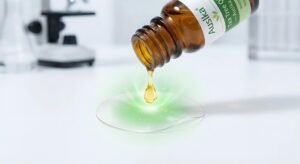
In the historical trajectory of dermatological science, the industry has oscillated between two extremes: the ‘Nuclear Option’ (harsh synthetics like Benzoyl Peroxide) and ineffective ‘Folk Remedies.’ For decades, patients with inflammatory acne were forced to choose between efficacy and skin barrier integrity. However, the emergence of Green Clinical Chemistry has bridged this gap. Modern consumers demand natural acne treatment protocols that are rigorously standardized and empirically validated. This engineering white paper explores the pharmacological mechanism of the Auslka tea tree oil pimple patch. We will analyze how infusing medical-grade hydrocolloid with fractionated Melaleuca alternifolia creates a synergistic delivery system that stabilizes volatile terpenes and targets the biological root of the Cytokine Storm.
- Pharmacodynamics: The Terpinen-4-ol Mechanism

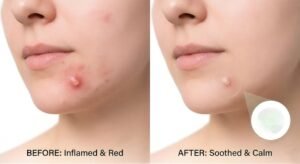
To validate Tea Tree Oil as a clinical agent, we must look beyond the generic plant name and analyze its chemotype. Tea Tree Oil is a complex mixture of over 100 hydrocarbons and terpenes.
The Hero: Terpinen-4-ol
The primary active component in Auslka’s formulation is Terpinen-4-ol. This monoterpene is ‘Lipophilic’ (fat-loving), meaning it can dissolve effortlessly into the sebaceous lipids (oil) of the human skin. This allows Melaleuca for acne to penetrate deep into the pilosebaceous unit (the pore) where water-based treatments cannot reach.
Mechanism of Action: Once inside the pore, Terpinen-4-ol compromises the structural integrity of the C. acnes bacterial cell membrane. It increases membrane permeability, causing the bacteria to leak vital ions (potassium) and die via lysis. This provides broad-spectrum antimicrobial action without the antibiotic resistance issues seen with Clindamycin.
The Villain: 1,8-Cineole
Raw, unrefined Tea Tree Oil often contains high levels of 1,8-Cineole (Eucalyptol), which is a known skin irritant. Auslka utilizes a fractionated distillation process to maximize Terpinen-4-ol (>40%) while minimizing Cineole (<4%). This ensures the patch remains therapeutic, not irritant.
- The Thermodynamics of Volatility: Why Patches Beat Oil
Critics often ask: ‘Why not just buy a bottle of oil and dab it on?’ The answer lies in Thermodynamics: Volatility and Oxidation.
The Evaporation Problem
Essential oils are Volatile Organic Compounds (VOCs). When applied topically as a liquid, up to 60% of the active terpenes evaporate into the atmosphere within the first hour due to body heat. This drastically reduces the therapeutic dose delivered to the infection.
The Oxidation Danger (Ascaridole)
When Tea Tree Oil is exposed to air and light, it oxidizes rapidly, forming Ascaridole—a potent contact allergen. Applying oxidized oil from an old bottle can cause chemical burns.
The Auslka Engineering Solution
Auslka solves this via Micro-Encapsulation. By embedding the oil within the hydrocolloid matrix and sealing it against the skin, we create an ‘Occlusive Environment.’herbal acne care.
- Zero Evaporation: The patch creates a physical barrier that forces the volatile terpenes *down* into the skin rather than *up* into the air.
- Anaerobic Stability: The airtight seal prevents oxidation, ensuring the oil remains anti-inflammatory.
- Sustained Release: The polymer matrix releases the active ingredients slowly over 6-8 hours, providing a controlled therapeutic window that defines true
- Immunomodulation: Controlling the Cytokine Storm
Redness and swelling are not caused by bacteria directly; they are caused by your body’s immune response, known as inflammation. This is where the Auslka patch excels as a red pimple remedy.
Clinical studies show that Terpinen-4-ol suppresses the production of superoxide ions and pro-inflammatory cytokines (specifically TNF-alpha, IL-1beta, and IL-8).
Translation: The patch essentially sends a chemical signal to the immune system to ‘Stand Down.’ It turns off the biological switch that causes the pimple to throb and swell. This makes it distinct from Benzoyl Peroxide, which kills bacteria but often *increases* inflammation via oxidative stress.
- Comparative Analysis: BHA vs. Tea Tree
In the clinic, selecting the right active ingredient is critical. The salicylic acid vs tea tree debate is determined by the stage of the acne lesion.
| Parameter | Salicylic Acid (BHA) | Auslka Tea Tree Patch |
| Mechanism | Keratolytic (Exfoliating) | Antimicrobial & Immunomodulating |
| Target Lesion | Blackheads / Non-Inflamed Comedones | Red Papules / Inflamed Pustules |
| Skin Sensation | Often stings or dries | Cooling and Soothing |
| Contraindications | Pregnancy (High doses), Aspirin allergy | Generally safe (Patch test recommended) |
Conclusion: If the pimple is red, hot, and tender, soothing inflamed skin with Tea Tree is medically superior to irritating it further with acids.
- The Entourage Effect: Calendula Synergy
In phytochemistry, the ‘Entourage Effect’ describes how plant compounds work better together than in isolation. Auslka formulations utilize this principle by pairing Tea Tree with Calendula Officinalis, creating the ideal sensitive skin acne patch.
While Tea Tree plays the ‘Offense’ (killing bacteria), Calendula plays ‘Defense’ (Repair). Calendula contains Faradiol esters, triterpenoids that stimulate fibroblasts (skin building cells).
The Result: Accelerated Re-epithelialization. As the Tea Tree clears the infection, the calendula infused patch encourages the skin to close the wound, significantly reducing the likelihood of Post-Inflammatory Erythema (PIE) – those annoying red marks left behind after the pimple is gone.
- Clinical FAQ & Usage Protocols
Q1: Can I use this patch on a blind pimple (Cyst)?
A: Yes. While hydrocolloid cannot extract fluid from a cyst (no head), the Tea Tree infusion acts as a Transdermal Drug Delivery System. The anti-inflammatory skincare ingredients penetrate the epidermis to reduce the deep-seated swelling, often causing the cyst to reabsorb without ever surfacing.
Q2: Does it interact with Retinol or Vitamin C?
A: Generally, no. Tea Tree is non-acidic and does not alter the skin’s pH significantly, making it compatible with most active routines. However, apply the patch to clean, dry skin *before* applying serums to ensure adhesion.
Q3: Is the smell potent?
A: You may notice a faint, medicinal scent upon opening the sterile sachet. This is the olfactory signature of high-quality Terpinen-4-ol. Odorless tea tree products have often been stripped of their active terpenes and are therapeutically useless.
Q4: Can I use these patches every night?
A: Yes. Because they are non-drying and free from harsh exfoliants, they are safe for daily use until the infection resolves.
Q5: Will this cause ‘Purging’?
A: Unlikely. Purging usually happens with cell turnover accelerators like Retinoids or AHAs. Tea Tree is antimicrobial. If you see more whiteheads appearing under the patch, it is usually the hydrocolloid successfully drawing existing impurities to the surface, not a new breakout.
Q6: Is it safe for pregnancy?
A: Topical Tea Tree Oil in low concentrations (like in our patches) is generally considered safe for pregnancy, unlike Retinoids or high-dose Salicylic Acid. However, we always recommend consulting your OB/GYN before starting any new skincare regimen.
Final Thoughts
The Auslka Tea Tree Patch represents the intersection of botanical wisdom and polymer engineering. By stabilizing a potent, volatile natural compound within a medical-grade hydrocolloid matrix, we provide a solution that is tough on bacteria but gentle on the barrier. For red, inflamed, or stubborn acne, stop nuking your skin with acids. Switch to a solution that works *with* your body’s immune response. Explore the full Auslka Acne Care Collection.